What Panama’s coffee culture can teach us about flavor, discernment, and the future of cacao in Panama.
Could Panama develop a cacao culture as distinctive as its coffee culture?
Thanks for reading Lyn’s Substack! Subscribe for free to receive new posts and support my work.
I have been returning to that question more often this year, partly because of what we are tasting here on the farm and partly because of what I see beginning to happen around us.
Panama has already shown the world what can happen when people learn to pay close attention to an agricultural product. Coffee here is no longer treated as one broad category. People talk about farms, regions, varieties, processing methods, altitude, fermentation, and flavor with real curiosity. A cup of coffee can carry the story of where it grew, who tended it, and the many choices made before it ever reached the table.
That kind of culture does not appear all at once. It grows slowly, as people learn to notice.
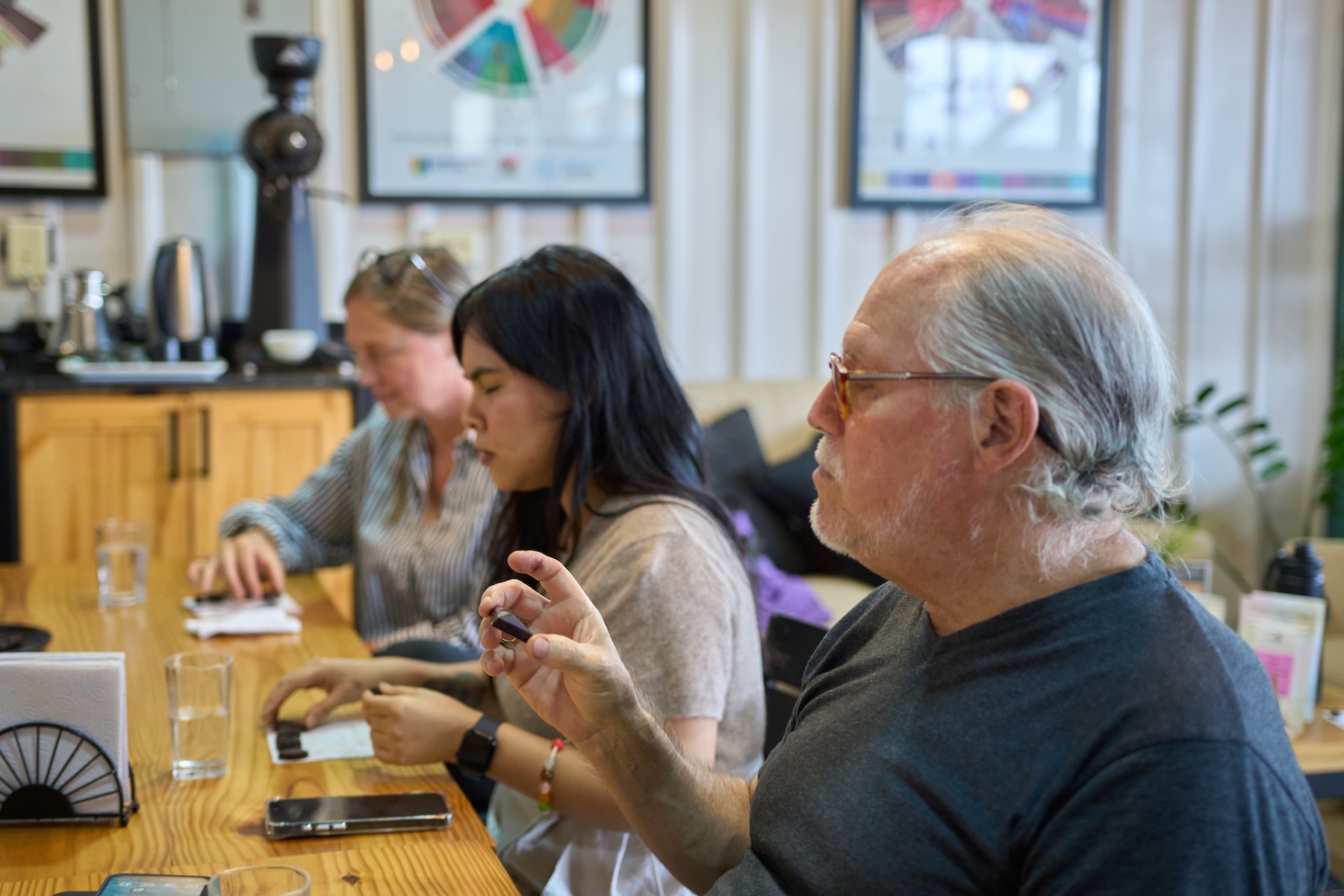
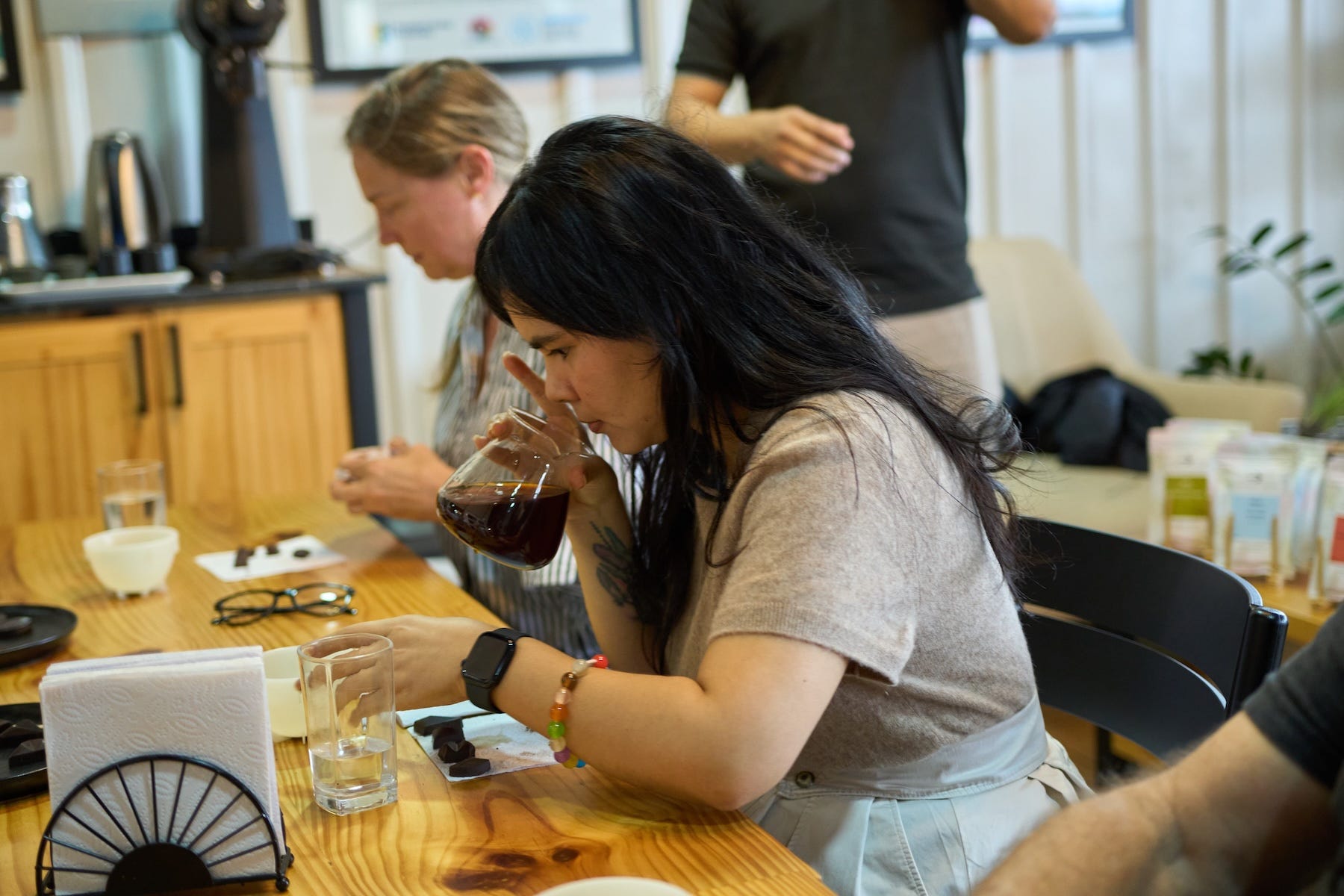
At a recent tasting at Accendo Coffee, we paired several of our chocolates with two very different Panamanian coffees. What interested me most was not which pairing people liked best. It was watching how the room changed once everyone began paying closer attention.
One coffee made a darker chocolate seem brighter. Another brought out more richness in a sweeter bar. As people moved back and forth between the cups and the chocolate, they began finding words for differences they might otherwise have passed over.
That experience reminded me that taste is something we learn over time. Most of us were not born knowing how to distinguish one coffee, one olive oil, one wine, one cheese, or one chocolate from another. We learn by comparing, by paying attention, by hearing someone else describe what they notice, and then discovering that we can notice it too.
As people become more discerning, that attention begins to shape what they value and what they are willing to seek out. Food stops feeling interchangeable. We begin asking where something came from, who grew it, how it was made, and why one version tastes different from another.
Those questions eventually reach all the way back to the farm.
A grower has more reason to protect quality when someone is willing to notice it. A maker has more reason to preserve the character of an ingredient when customers are interested in tasting that character. Chefs begin asking different questions. Buyers become more selective. Journalists find stories worth telling. Over time, a shared vocabulary can grow around something that may once have been treated as ordinary.
Panama coffee offers a remarkable example of this. Its reputation was built in the field, of course, but it was also built at tables and in cafés, through tastings, competitions, conversations, buyers, journalists, and people becoming curious enough to notice the differences.
That is the part of the story that interests me most when I think about cacao.
Cacao does not need to become coffee, and it does not need to follow the same path. But cacao grown in Panama also carries differences worth noticing. Genetics, climate, harvest timing, fermentation, drying, and the choices made by the chocolate maker all influence what eventually reaches us as chocolate.
Once we begin paying closer attention, chocolate starts to feel less like a simple choice between dark, milk, sweet, bitter, or a percentage printed on a wrapper. It begins to feel like an agricultural product with a place, a history, and many hands behind it.
That shift matters because agricultural value is not created only by the person who grows or makes something. It is also shaped by the people who learn to recognize the work.
When customers begin asking where their cacao came from, chefs start distinguishing one origin from another, journalists treat cacao as something worth understanding, and growers know that careful harvesting, fermentation, and drying will be noticed, the whole chain begins to change. Over time, those small acts of attention create a shared language around quality and difference, and that is how an agricultural product starts to carry more meaning in the culture around it.
Panama may be ready for more of that kind of attention around cacao.
We already have cacao growing here. We have farmers working with it, makers transforming it, and people becoming more curious about how cacao can taste when we give it the same patience and attention we have learned to give coffee.
There is still a long way to go, and perhaps that is what makes this moment so interesting.
A tasting culture gives people language and confidence, but more importantly, it creates relationship. The person eating the chocolate begins to care about what happened on the farm. The work of the grower becomes more visible. The choices made during fermentation and drying become part of the story rather than something hidden behind the finished bar.
The next time you eat a piece of chocolate, you do not need a trained palate or a special vocabulary. You only need enough curiosity to ask one more question than you normally would.
Where did the cacao come from? Who grew it? What might be different about this farm, this harvest, or this fermentation? What is the maker hoping you will notice?
Those questions are simple, but they change the experience. Once we begin to notice more, we begin to care differently about what is in front of us.
Perhaps that is where Panama’s next cacao chapter begins.
If you enjoy thoughtful stories about cacao, food, farming, and the life that grows around them, subscribe here and I’ll send the next one to you.